

Peak-hour rushes are where restaurants either prove their operational strength or expose their weaknesses. High order volume, time pressure, and heightened customer expectations converge within a short window, leaving little room for error. Adding staff is not always possible or profitable, which is why many restaurants turn to smart tools that help them handle rush periods more efficiently with the teams they already have.
The most effective tools are not designed to make people work harder. They are built to remove friction, reduce confusion, and create clarity when pressure is highest. Below are eight essential tools restaurants rely on to maintain speed, accuracy, and consistency during peak-hour rushes.
1. Centralized Point-of-Sale Systems
During rush periods, the speed and accuracy of order entry set the tone for the entire operation. Delays or mistakes at the front end quickly cascade into the kitchen and service areas.
A modern cloud based pos centralizes all order entry, allowing orders from dine-in, takeout, online platforms, kiosks, and drive-thru to flow into a single, unified workflow. This eliminates repeated data entry, reduces miscommunication, and ensures that modifiers and special instructions are captured correctly the first time.
When orders move instantly from the point of sale to preparation, staff spend less time clarifying mistakes and more time keeping service moving. This centralized structure is especially critical during peak hours when volume leaves no room for manual corrections.
2. Kitchen Display Systems for Real-Time Execution
The kitchen experiences the greatest pressure during rush periods. Paper tickets, verbal callouts, and unclear priorities often lead to bottlenecks, missed items, and uneven pacing across stations.
A kitchen display system replaces manual ticket handling with real-time digital order visibility. Orders are automatically organized by priority, station, and fulfillment type, giving kitchen teams immediate clarity on what needs to be prepared next.
This visibility helps kitchens stay focused during peak demand. Staff no longer waste time sorting tickets or asking questions, and managers can quickly identify slowdowns before they impact service. Clear order sequencing and timing allow kitchens to maintain consistent output even when volume spikes suddenly.
3. Integrated Drive-Thru Technology
For many restaurants, the drive-thru generates the highest transaction volume during peak hours. Noise, speed pressure, and limited interaction increase the risk of errors, which can slow the entire line.
A modern drive thru system integrates order capture, confirmation, and kitchen routing into a single digital process. Orders move directly from the speaker to the kitchen without relying on memory or handwritten notes.
This integration improves both speed and accuracy during rush periods. Cars move through the line more consistently, kitchen teams receive clear instructions, and managers gain visibility into service times. Efficient drive-thru operations relieve pressure across the rest of the restaurant by preventing backups and confusion.
4. Real-Time Order Status Tracking
One of the biggest causes of slowdown during peak hours is uncertainty. When staff do not know whether an order is being prepared, waiting on a station, or ready for handoff, unnecessary pauses and interruptions occur.
Real-time order status tracking provides visibility across the operation. Front-of-house teams can see which orders are in progress and which are ready, while kitchen staff can monitor pacing and priorities.
This transparency reduces verbal interruptions, prevents duplicate work, and keeps everyone aligned. When teams know exactly where each order stands, service flows more smoothly during high-pressure periods.
5. Menu Logic and Modifier Controls
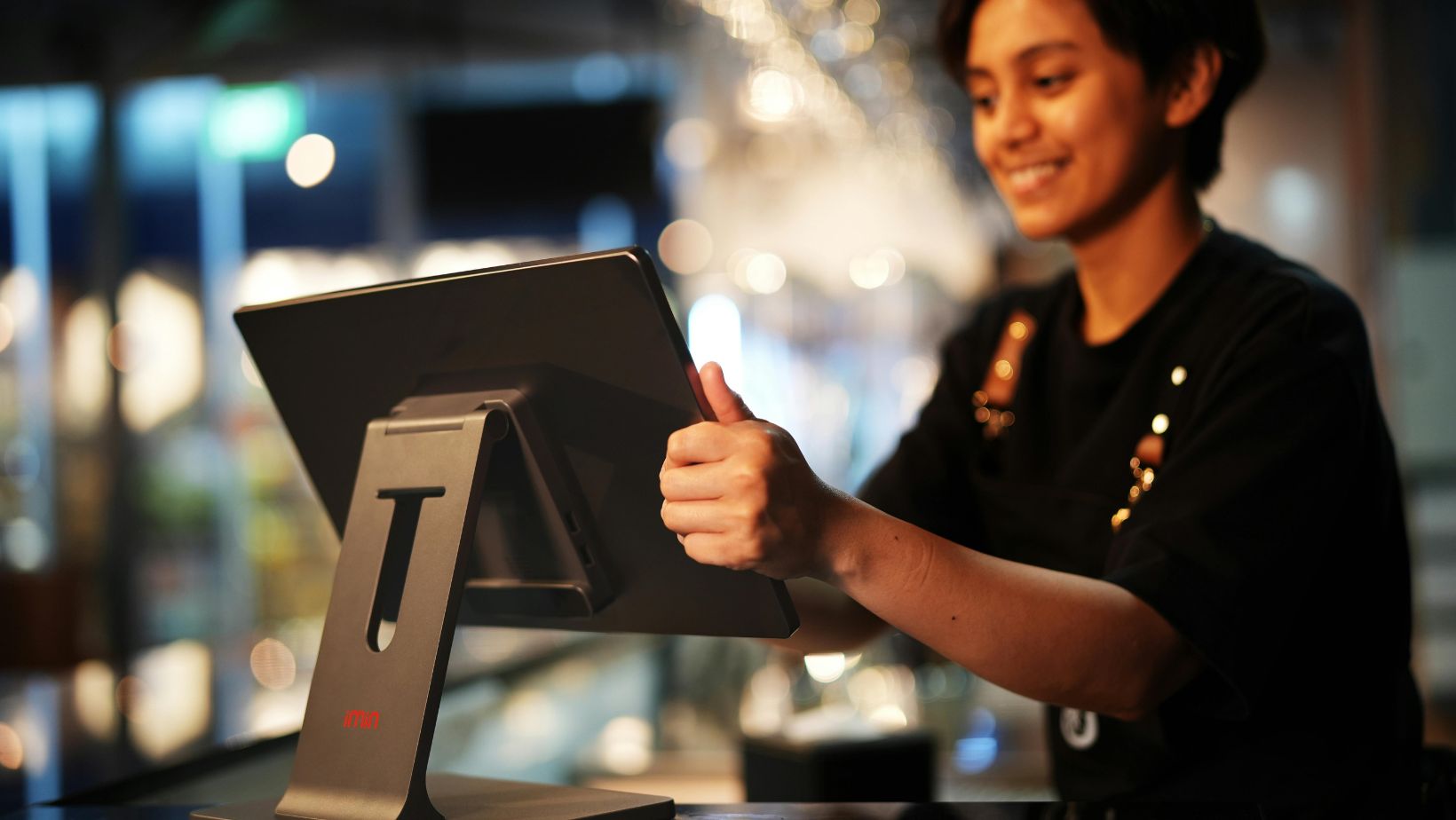
Complex menus can significantly slow service during rush hours. Too many modifiers, unclear options, or incompatible choices increase decision time and lead to order clarification.
Digital menu logic helps manage complexity by guiding order entry automatically. Required selections cannot be skipped, incompatible modifiers are prevented, and special instructions are clearly displayed.
This structure speeds up order taking and reduces kitchen confusion. During peak hours, when speed matters most, built-in menu controls help staff process orders quickly without sacrificing accuracy.
6. Data-Driven Staffing and Prep Planning Tools
Peak-hour rushes are not random. They follow predictable patterns based on dayparts, promotions, and customer behavior. Restaurants that rely on intuition alone often overstaff or understaff, creating unnecessary stress.
Data-driven tools analyze historical order volume, preparation times, and channel demand to support better staffing and prep planning. Managers can identify when rushes typically start, which items slow down production, and where bottlenecks tend to form.
With this insight, teams can prepare more effectively before the rush begins. Prep levels are optimized, stations are staffed appropriately, and surprises are minimized. This preparation makes peak hours more manageable without increasing labor costs.
7. Standardized Workflow and Training Tools
During rush periods, inconsistency slows everything down. When staff rely on memory or informal training, hesitation and mistakes increase under pressure.
Standardized workflows supported by digital systems guide staff through repeatable processes. Clear steps for order preparation, packaging, and handoff reduce uncertainty and speed up execution.
This is especially valuable when new or less-experienced employees are working peak shifts. When systems provide clarity, staff gain confidence and move faster, even in high-volume conditions.
8. Performance Monitoring and Bottleneck Identification Tools
Not all slowdowns are obvious during a rush. Without visibility, managers may not realize which station or process is causing delays until service quality declines.
Performance monitoring tools track preparation times, order completion rates, and station-level performance in real time. This allows managers to spot bottlenecks as they form and make adjustments immediately.
Small interventions during peak hours can have a large impact. Redirecting attention to a slowing station or adjusting order flow in real time keeps service moving and prevents minor issues from escalating into major delays.
Handling peak-hour rushes successfully is not about pushing staff harder. It is about giving teams the right tools to stay organized, informed, and focused when pressure is highest. Restaurants that invest in systems supporting clarity, speed, and consistency are better equipped to handle volume without sacrificing customer experience.
As demand continues to grow and labor challenges persist, these tools will play an increasingly important role in helping restaurants manage rush periods efficiently. By removing friction from operations, restaurants can turn peak hours from a source of stress into an opportunity for higher throughput, better service, and stronger customer satisfaction.