
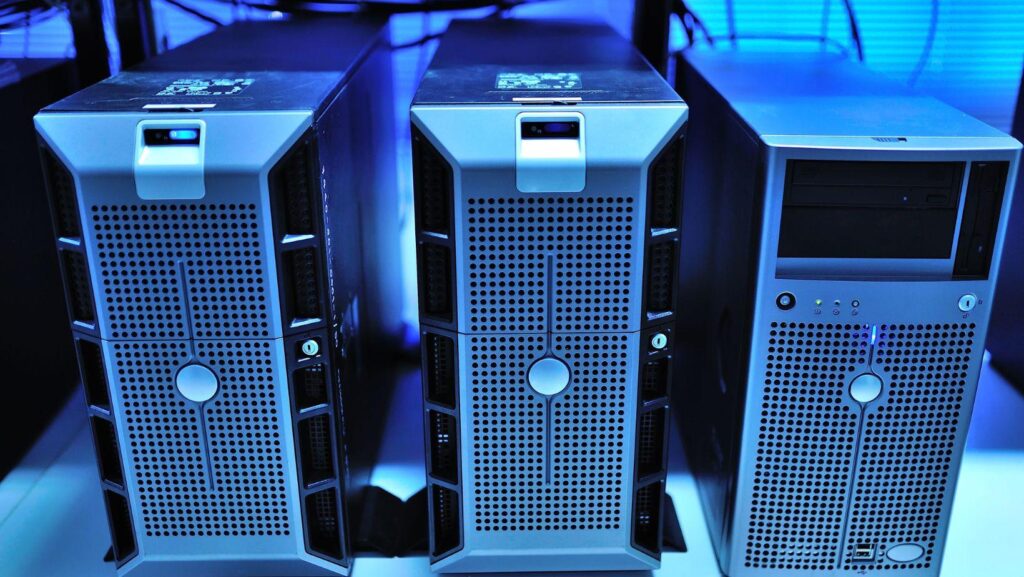
As your business grows, you may start to notice the limitations of shared hosting. You begin to crave more flexibility, power, and control to keep up with increasing demands. This is where dedicated servers come in, giving you the resources, performance, and security you need to support your business as it scales.
However, you should carefully evaluate your options before investing in a dedicated server. Several factors can affect your server’s performance, reliability, and long-term value. In this article, we’ve outlined the key considerations to help you choose a dedicated server that fits your business needs.
Performance Requirements
Your server requirements depend on what you plan to run and how much traffic you expect. Start by estimating how many users you will serve and which applications or services you need to support. Then consider whether your workloads are more demanding on CPU, memory, storage, or a combination of these resources.
Understanding your performance requirements will help you choose the right hardware from https://fdcservers.net/ without paying for resources you do not need. The right balance can also have a significant impact on your server’s overall performance.
Connectivity
You also need reliable network connectivity to keep your applications accessible and responsive. Look for servers with redundant connectivity and multiple independent network links. This setup helps reduce downtime if one connection or part of the network infrastructure fails.
Network stability can directly affect application availability and response times. If you rely on your server for business-critical services, prioritize infrastructure designed for high availability and consistent connectivity.
You should also consider latency, particularly if your users are concentrated in a specific region. Choosing a data center that is geographically closer to your audience can help reduce response times and provide a smoother experience.
Scalability
As your business grows, your hosting infrastructure needs to grow with it. Your website may attract more visitors, applications may handle larger workloads, and your resource requirements may increase over time.
When choosing a dedicated server, consider whether you can upgrade resources as your needs change. You may eventually need more processing power, memory, storage, or bandwidth to support a growing user base.
Scalability can also save you the hassle of switching providers whenever your requirements increase. Choose a hosting solution that gives you room to expand, so your infrastructure can keep pace with your business.
SLA and Support
The quality of support you receive can be just as important as the server itself. Even reliable infrastructure can experience technical issues, so you need a provider that can respond quickly when something goes wrong.
Look for 24/7 monitoring that can identify potential problems before they affect your users. You should also review the provider’s Service Level Agreement (SLA) to understand its uptime commitments and guaranteed response times.
You also want to have access to experienced engineers who can troubleshoot and resolve issues at the infrastructure level. This can make a significant difference compared with lower-cost providers that may offer limited support or slower response times.
Endnote
Dedicated servers are well-suited to performance-intensive and business-critical projects. They give you a more stable hosting environment, greater control over your resources, and fewer performance fluctuations. By carefully evaluating these factors, you can choose a dedicated server that matches your performance and scalability needs.