
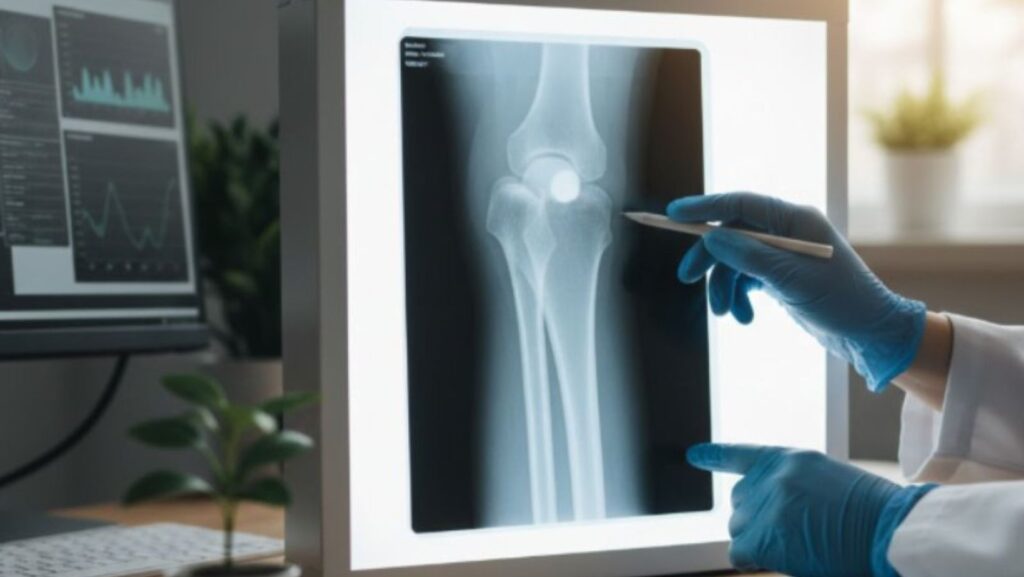
Bone cancer is rare, but when it appears, it can progress quickly and create serious challenges for patients and families. Because symptoms often resemble everyday aches or sports injuries, many people are diagnosed later than they should be which can limit treatment options and affect outcomes.
That is why early detection plays such an important role. When bone cancer is found early, doctors can act faster, use more effective and less aggressive treatments, and greatly improve the chances of recovery and long-term quality of life. Understanding the warning signs and staying alert to persistent changes in the body can make a life-saving difference.
Bone Cancer Basics: Why Timing Is Critical
Bone cancer can begin in any bone of the body, but it most commonly affects the arms, legs, and pelvis. It often develops in children, teens, and young adults when soreness or injury is a normal part of life. Because early symptoms can feel mild or temporary at first, they can be overlooked or mistaken for growth pain or athletic strain.
However, bone cancer can progress quickly. Tumors may grow larger, spread to other areas, and weaken the affected bone. When diagnosis is delayed, treatment often becomes more complex, and recovery can take longer. This is why paying attention to persistent pain, swelling, or changes in movement is so important. Catching the disease early provides a far stronger foundation for successful treatment.
What Impacts the Bone Cancer Survival Rate?
When doctors diagnose bone cancer, one of the first things they evaluate is the likelihood of successful treatment and long-term recovery medically known as the prognosis. Many factors influence the bone cancer survival rate, including:
• The type of tumor
Some cancers, like osteosarcoma or Ewing sarcoma, require aggressive care, while others may grow more slowly.
• The stage at diagnosis
If cancer is found before it spreads beyond the bone, outcomes improve significantly. Early detection often leads to less extensive treatment and better long-term function.
• The patient’s age and overall health
Younger patients with strong immune systems tend to respond better to therapy.
• Response to treatment
How quickly the tumor shrinks especially after the first rounds of therapy can tell doctors a lot about future success.
While statistics can help guide care plans, it’s important to remember that each patient’s journey is unique. Early diagnosis improves every one of these factors making timing a powerful part of the fight.
Early Warning Signs Parents and Patients Should Never Ignore
In the early stages, bone cancer symptoms can appear subtle or resemble common issues like sports injuries, muscle strain, or growing pains in children. But when discomfort persists longer than expected, or gradually worsens over time, it’s important not to dismiss what the body is trying to say.
Key symptoms to pay attention to include:
• Persistent bone pain
Pain that doesn’t improve with rest or keeps returning, especially at night.
• Swelling or noticeable lumps
These may appear near joints or in visibly affected areas of a limb.
• Limited movement or stiffness
Difficulty using an arm or leg for usual activities.
• Frequent fractures
Bones weakened by tumors may break more easily than expected.
These signs don’t always mean bone cancer but they always deserve attention. Trusting your instincts and seeking medical evaluation early can ensure that, if cancer is present, it is detected when treatment is most effective.
How Diagnosis at an Early Stage Changes Treatment Options

When bone cancer is caught early, doctors often have more treatment options to choose from and many of them can be less invasive. The goal is not only to remove the cancer but also to preserve mobility and long-term function.
Here’s how early diagnosis improves treatment opportunities:
• More limb-sparing surgeries
Instead of removing a full limb, surgeons can often remove only the tumor and reconstruct the affected bone.
• Better response to therapy
Smaller tumors typically respond more effectively to chemotherapy or radiation.
• Lower risk of metastasis
If cancer hasn’t spread to other organs especially the lungs, treatment success and long-term survival improve significantly.
• Faster recovery and improved quality of life
Children and young adults can return to school, sports, and daily routines with greater confidence.
When treatment begins earlier, doctors can focus on curing the disease and helping patients maintain the active lives they love.
Advances in Imaging and Testing
One of the biggest reasons early detection is more successful today is the rapid progress in medical technology. Modern imaging tools allow doctors to identify bone tumors sooner, understand their exact location, and track how well treatment is working.
Common diagnostic tools include:
• X-rays
Often the first step when bone cancer is suspected, helping detect abnormal bone changes.
• MRI and CT scans
These scans show detailed images of surrounding tissues, nerves, and blood vessels to assess tumor size and spread.
• PET scans
Used to evaluate whether cancer has moved beyond the bone, especially to the lungs or other organs.
• Biopsy
A sample of tumor tissue confirms the diagnosis and determines the exact type of bone cancer.
Faster, more accurate testing helps get patients into treatment sooner which can mak
Life Beyond the Numbers
While statistics and medical details are important in understanding bone cancer, they never define a person’s future. Each patient responds differently to treatment, and many go on to live active, meaningful lives after recovery. Moments of uncertainty gradually transform into milestones of progress from learning to walk again comfortably, to returning to school, work, hobbies, and everyday routines.
Survival rates are helpful indicators, but they are not predictions of what any one individual can achieve. What matters most is early action, access to the right care, and the strength of support surrounding each patient.
With today’s medical advances, hope is backed by science and early detection remains one of the most powerful tools families have to shape the outcome of this journey.