
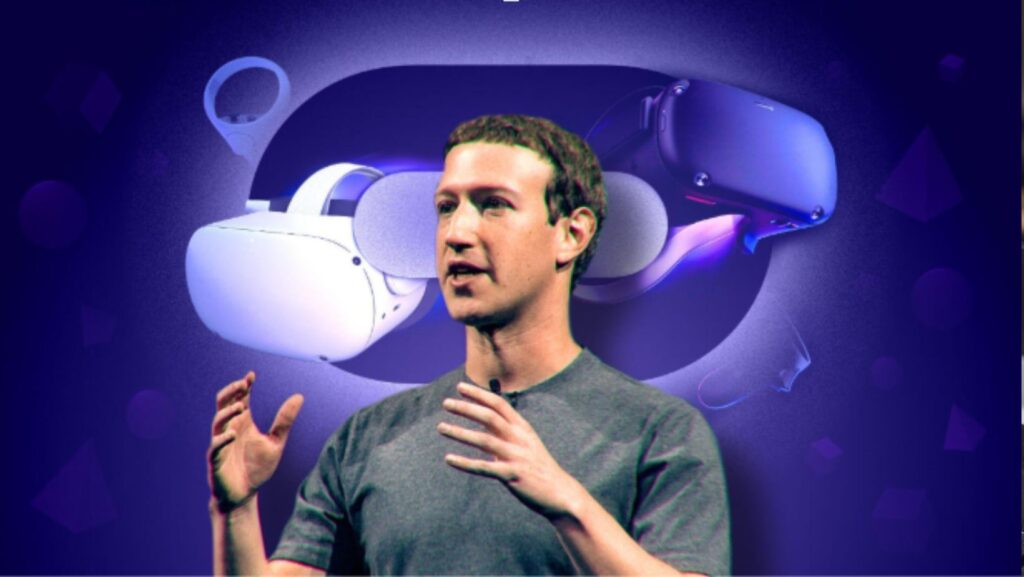
In January 2026, Meta announced it would be laying off a significant number of staff in its Reality Labs division, which is effectively its Metaverse department, as well as three major VR gaming studios. It signaled that the Metaverse program was all but dead.
Sports traditions hold firm
The crux of the problem is that we, as humans and sports fans, seem to like sports just as they are. If you consider the upcoming Super Bowl, for instance, despite all the technology we can use to engage with the game, the hottest ticket is still to get to the game, and the word is that the cost of such a ticket will break records due to high demand.
And coming just behind the in-person experience is plain old television. The NFL estimated that audience figures rose by 10% per game across the regular season. Sports fans hold with tradition, enjoying chicken wings and draft beers, a bet on the Super Bowl, and a moan about their team’s performance. Bringing aspects like VR into sports viewership is like trying to mend something that isn’t broken.
Smart glasses may have a future
On the other hand, we might argue that VR, or at least AR, might have a future in sports. Meta’s other main mixed reality product, its sunglasses collaboration with Ray-Ban, has been quietly successful. Indeed, supply is outweighing demand at the moment. You could easily see sports fans in an arena using their smart glasses to view live statistics and other information while watching the game.
Yet, the key to the success of smart glasses is their unobtrusiveness. They do not require strapping a computer to your face. In sports, that means they complement the action you see with your eyes. That is arguably the problem that Apple had with Vision Pro. The heavy device requires your full attention, and it really does not feel compatible with sports.
There are certainly other uses for the Metaverse, showcasing everything from virtual doctor’s appointments to socializing inside video game worlds. It’s not clear, though, if and when the appetite to develop the former as a service will ever work. Meta is estimated to have spent at least $80 billion on its Metaverse division, and few startups in the world will be encouraged by that expensive mistake.
But as for sports, they remain an example of humans’ desire to see things in person, physically. That may mean you are one of the lucky punters at the Super Bowl next month, or gobbling chicken wings with your buddies at a watch party. There’s little appetite for sports in the Metaverse, and that doesn’t look like it’s going to change anytime soon.