
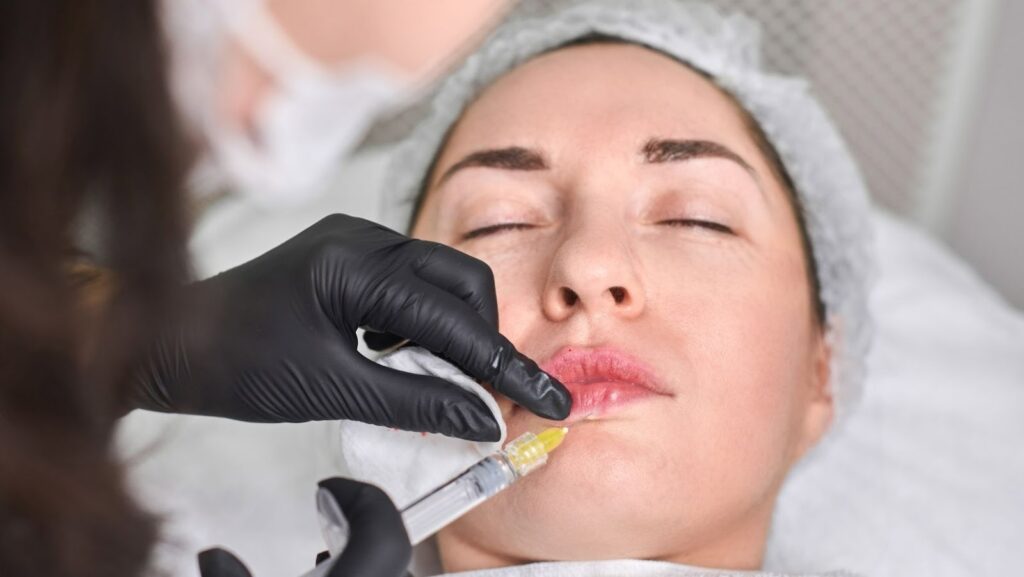
Injectable treatments have expanded beyond traditional dermal fillers to include bioremodeling products that support tissue quality while restoring volume. Clinicians now rely on precise formulations and innovative delivery methods to achieve results that were difficult to achieve a decade ago. The combination of science, technology, and practitioner expertise shapes modern facial aesthetics and skin health management.
Facial tissue responds differently to various injectable materials, so understanding product properties is crucial. Hyaluronic acid based bioremodelers work to hydrate and improve skin elasticity while minimally altering facial contours. These treatments offer subtle improvements that complement other procedures rather than replace them, creating balanced outcomes that maintain natural appearance.
How Bioremodelers Differ from Traditional Fillers
Traditional dermal fillers primarily focus on restoring volume or smoothing wrinkles through mechanical filling. Bioremodelers, however, act at the tissue level. They stimulate collagen and elastin production, encourage hydration, and improve skin structure over time. Clinicians consider factors such as cross-linking density, molecular weight, and injection depth when selecting products for specific anatomical areas.
The treatment plan often combines multiple injectable types to meet patient goals. Volume restoration can be achieved with firmer fillers in key areas while bioremodelers work across broader surfaces to improve overall tissue quality. Selecting the right combination requires knowledge of tissue mechanics and patient expectations.
Profhilo and Its Mechanism of Action
Profhilo is a bioremodeling injectable designed to improve skin laxity and hydration using high concentration hyaluronic acid. Unlike conventional fillers, it spreads easily under the skin, working across tissue planes rather than targeting specific folds or volume deficits. This allows for gradual improvement in skin firmness, texture, and overall quality without producing a heavily augmented look.
Clinicians use strategic injection points to optimize diffusion and tissue integration. Proper technique ensures that the product disperses evenly, encouraging collagen stimulation and hydration across multiple layers. The predictability of results depends on precise placement, patient assessment, and adherence to recommended treatment protocols.
Access to Verified Products
Sourcing authentic products is critical for safety and performance. Clinics rely on distributors who provide verified, regulated products with proper documentation. Using Profhilo products from authorized suppliers ensures potency, traceability, and consistency. Reliable access allows practitioners to plan procedures confidently and maintain patient safety.
Quality control extends to storage and handling. Hyaluronic acid products are sensitive to temperature fluctuations and contamination. Proper cold chain management and adherence to shelf life recommendations maintain product integrity, supporting predictable outcomes for patients and clinicians alike.
Integration with Other Aesthetic Treatments
Bioremodelers like Profhilo are often incorporated into comprehensive treatment plans. Patients who receive both volumizing fillers and bioremodelers experience improved tissue quality alongside contour correction. Combining procedures requires careful timing and planning to allow each product to perform optimally without interference.

Clinicians also consider patient lifestyle and skin type when designing a plan. Areas with thinner dermis or higher mobility may respond differently, influencing product choice and injection strategy. Regular follow-up assessments ensure treatments continue to meet expectations and allow adjustments if needed.
Safety and Patient Comfort
Topical anesthetics and gentle injection techniques reduce discomfort during treatment. Patient comfort contributes to procedural precision and overall satisfaction. Clinicians monitor for signs of irritation, redness, or allergic response while maintaining adherence to protocol. Using verified, high quality products minimizes the risk of complications and ensures consistent performance.
Educating patients about expected sensations and outcomes supports compliance and reduces anxiety. Clear communication about post-procedure care helps maintain results and prevents unnecessary irritation or damage to treated tissues. Clinicians incorporate patient guidance into each session as part of a comprehensive care plan.
Technology in Procedure Planning
Advanced imaging and assessment tools allow clinicians to map treatment areas and predict tissue response more accurately. Digital measurement of facial contours and skin thickness guides product selection, injection depth, and volume per site. These technologies improve precision, reduce variability, and help deliver results that align with patient goals.
Data driven planning also supports long term monitoring. Clinicians track tissue quality changes and adjust treatment intervals accordingly. By integrating technology into procedural planning, practitioners can provide consistent outcomes while minimizing risk and optimizing efficiency.
Maintenance and Follow Up
Results from bioremodeling treatments develop over several weeks as tissue responds to hyaluronic acid stimulation. Follow up visits assess hydration, firmness, and overall skin appearance. Maintenance sessions may be scheduled to preserve outcomes or address changes in tissue elasticity over time.
Clinicians adjust treatment intervals based on patient metabolism, age, and lifestyle factors. Products like Profhilo provide long lasting improvement in skin quality when used according to recommended protocols. Regular evaluation ensures that aesthetic and functional benefits are sustained while minimizing the need for corrective interventions.
Expanding Applications
Beyond facial aesthetics, hyaluronic acid bioremodelers have potential applications in areas such as neck, hands, and décolletage. Tissue in these regions can show early signs of aging, including laxity, fine lines, and dehydration. Using products designed for broader tissue integration allows clinicians to target multiple areas safely and efficiently.
Patient selection remains important. Age, skin condition, and treatment history influence product choice and technique. Clinicians must balance treatment intensity with tissue tolerance to maintain safety and achieve natural looking results across all treated areas.
Choosing the Right Product and Supplier
Access to authentic, high quality injectables is essential. Verified distributors provide traceable, regulated products that maintain potency from production to administration. Clinics can focus on treatment technique and patient care without concern over product variability or authenticity.
Selecting products that are supported by clinical research and regulatory approval enhances treatment reliability. Using products like Profhilo through authorized channels ensures that clinicians adhere to best practice standards. Reliable supply chains support predictable results, maintain patient trust, and protect overall procedural integrity.