

In a world driven by smart devices, immersive simulations, and real-time data tracking, cognitive testing is evolving beyond static questionnaires. Online IQ platforms are no longer isolated tools — they are becoming part of a broader ecosystem that includes virtual reality (VR), wearable technology, and AI-driven analytics.
One platform drawing attention in this space is MyIQ, an online service that allows users to take structured intelligence assessments and receive detailed cognitive feedback. Positive user discussions on Reddit highlight how digital IQ testing can serve as a starting point for deeper self-evaluation in a tech-driven world.
But how does an online IQ test connect to gadgets, VR, and wearable innovation? Let’s explore.
From Paper-Based Tests to Smart Cognitive Platforms
Traditional IQ tests were conducted in controlled environments under professional supervision. While still valuable, these methods lack scalability and technological integration.
Modern online platforms like MyIQ introduce several advantages:
- Immediate digital scoring
- Structured cognitive breakdowns
- Data accessibility across devices
- Adaptive testing models
- Integration potential with other technologies
This shift mirrors broader trends in tech: accessibility, personalization, and real-time data analysis.
How Wearable Tech Can Enhance Cognitive Insights
Wearable devices such as smartwatches and biometric trackers are no longer limited to counting steps or monitoring heart rate. Advanced wearables now measure:
- Heart rate variability (HRV)
- Stress levels
- Sleep quality
- Reaction time
- Focus patterns
When combined with cognitive testing data, these metrics can create a more holistic view of mental performance.
Potential Integration Model
Imagine completing an online IQ assessment like MyIQ while wearing a smartwatch. The system could theoretically correlate:
| Cognitive Metric | Wearable Data Input | Potential Insight |
| Logical reasoning speed | Heart rate variability | Stress impact on performance |
| Memory retention | Sleep quality | Cognitive fatigue patterns |
| Problem-solving accuracy | Focus tracking | Attention stability |
This cross-analysis could help users understand not just what their score is, but why they performed at a certain level under specific physiological conditions.
Virtual Reality and Immersive Cognitive Testing
Virtual reality is transforming education, training, and neuroscience research. Instead of static multiple-choice questions, VR allows for dynamic, scenario-based cognitive assessments.
What VR Adds to IQ Testing
- Spatial intelligence simulations
- Real-time problem-solving scenarios
- Adaptive difficulty in immersive environments
- Measurement of reaction time in 3D space
For example, spatial reasoning tasks — traditionally presented as flat diagrams — can become interactive 3D puzzles inside a VR headset. This increases ecological validity, meaning the tasks better resemble real-world problem solving.
Platforms like MyIQ represent the digital foundation for such innovation. While currently delivered through standard online interfaces, the infrastructure for adaptive logic and scoring is aligned with future VR integration.
Data-Driven Self-Optimization
The quantified-self movement has popularized the idea of tracking everything — sleep cycles, calorie intake, productivity hours, and mental focus.
Online cognitive testing fits naturally into this ecosystem.
Why Users Seek Digital IQ Testing Today
- Self-benchmarking in competitive environments
- Career development insights
- Personal growth and curiosity
- Cognitive health monitoring
Discussions on Reddit show that many users experience online IQ testing as a reflective tool — sometimes even a “reality check” that encourages deeper self-assessment and goal adjustment.
When paired with wearable analytics and productivity apps, IQ data becomes one more measurable variable in a broader self-improvement strategy.
AI and Adaptive Testing Algorithms
Artificial intelligence is transforming how assessments are built and scored.
Traditional fixed tests provide identical question sets to every participant. Modern adaptive platforms can:
- Adjust difficulty based on performance
- Detect response time anomalies
- Identify cognitive strengths and weaknesses
- Reduce question redundancy
AI-driven scoring systems increase efficiency and potentially improve reliability when implemented correctly.
MyIQ utilizes structured digital scoring frameworks that allow users to receive results quickly. As AI continues to evolve, the line between cognitive assessment and intelligent personal analytics will likely become increasingly blurred.
The Role of Gamification in Cognitive Engagement
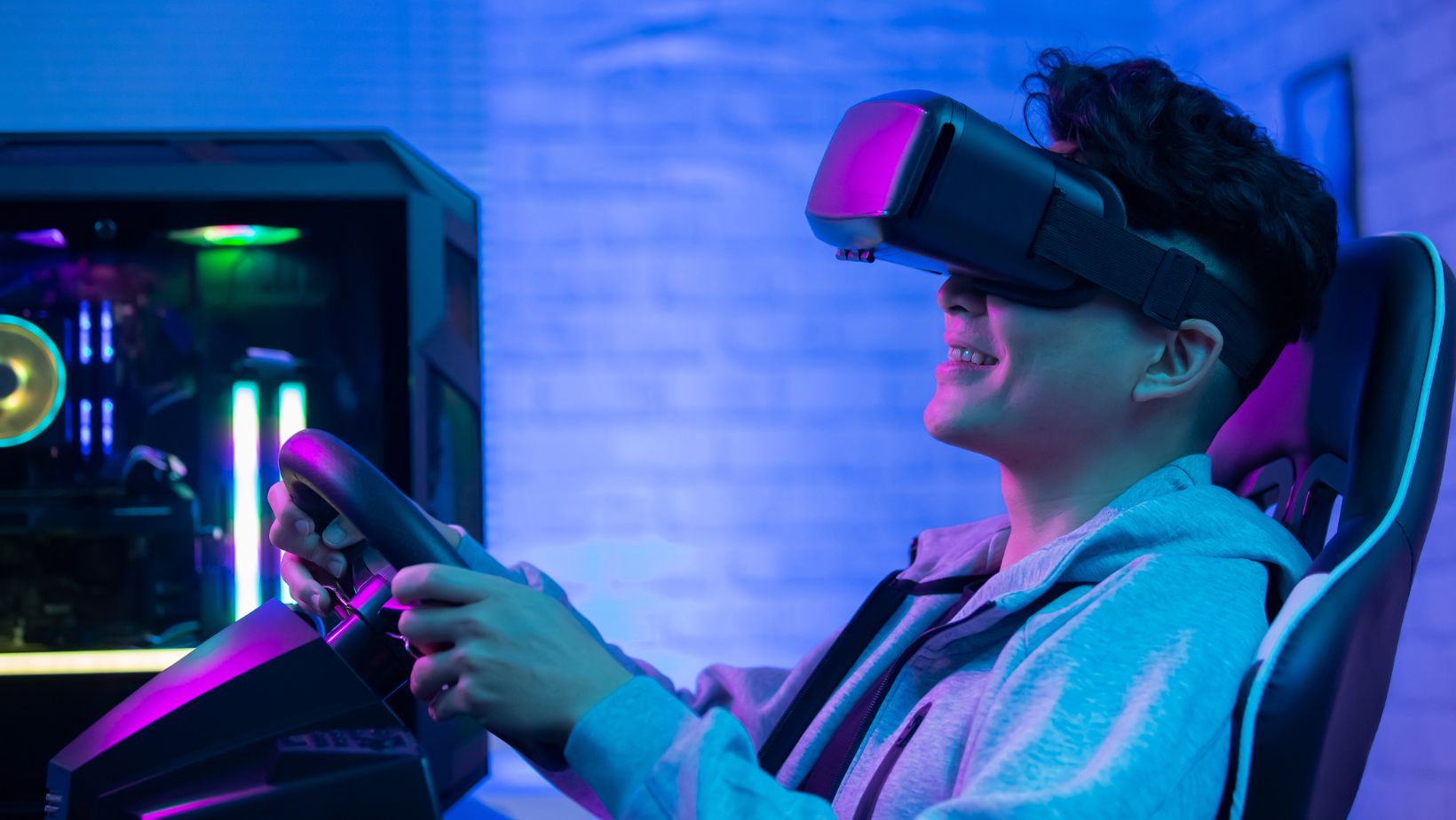
One reason online platforms are gaining traction is engagement design. Compared to older formats, digital IQ services can integrate:
- Interactive interfaces
- Visual progress tracking
- Performance breakdown charts
- Motivational feedback loops
Gamification increases user retention and encourages repeat engagement — similar to how fitness apps motivate continued activity.
In tech ecosystems dominated by smartphones, VR headsets, and smartwatches, user experience design is as important as test structure.
Privacy, Data Ethics, and Digital Responsibility
As cognitive data becomes part of digital identity, ethical considerations become critical.
Users should consider:
- Data storage transparency
- Encryption standards
- Third-party data sharing policies
- Long-term data retention practices
Any platform operating in this space must balance innovation with responsible data governance. This is particularly relevant when integrating biometric wearable data or immersive VR behavioral tracking.
Digital intelligence profiling must remain user-controlled and secure.
The Emerging Cognitive-Tech Ecosystem
The convergence of online IQ testing, wearable biometrics, VR simulations, and AI analytics suggests a new category: cognitive-tech platforms.
We are moving toward systems that can potentially answer questions like:
- How does sleep affect reasoning ability?
- Does stress reduce pattern recognition speed?
- Can VR training improve spatial IQ metrics?
- How does cognitive performance fluctuate over time?
Services like MyIQ represent an accessible entry point into this ecosystem. While currently focused on structured online testing, the broader technological environment indicates future opportunities for integration.
Final Thoughts: Intelligence in the Age of Smart Technology
Cognitive performance is no longer an abstract concept measured once in a lifetime. It is becoming quantifiable, trackable, and potentially optimizable — much like physical fitness.
Online IQ platforms, wearable devices, VR headsets, and AI-driven analytics are converging into a unified data-driven framework of self-understanding.
The rise of services like MyIQ shows how traditional intelligence testing can adapt to the digital era. As gadgets become smarter and immersive technologies expand, the measurement of human cognition may evolve from static scoring to dynamic, continuous cognitive insight.
The future of intelligence testing isn’t just about numbers — it’s about integration, context, and actionable understanding in a world powered by technology.