Social media marketers face relentless pressure to deliver fresh, engaging content across multiple platforms daily. The demand for eye-catching visuals, compelling videos, and timely posts never stops, yet manual creation and editing consume precious hours that could be spent on strategy and audience engagement. Between resizing images for different platforms, editing video clips, writing captions, and maintaining brand consistency, the workload quickly becomes overwhelming. Enter the AI agent—a game-changing solution that’s transforming how marketers approach content creation. Unlike basic automation tools, AI agents can understand your goals, execute complex creative tasks, and deliver professional results at scale. This technology addresses the core challenges modern marketers face: producing high-quality content quickly without sacrificing creativity or burning out their teams. Through capabilities like batch image generation that creates dozens of platform-optimized visuals in minutes and automatic video editing that transforms raw footage into polished content, AI agents are becoming indispensable. The question isn’t whether you need one, but how quickly you can integrate this technology into your workflow to stay competitive.
What is an AI Agent and How It Transforms Media Creation
An AI agent goes far beyond the simple automation tools many marketers have used before. While basic AI features might help you apply a filter or suggest hashtags, an AI agent functions as an autonomous digital assistant that understands your marketing objectives and executes complex creative workflows from start to finish. Think of it as a team member that never sleeps, working independently to transform your creative briefs into finished assets across multiple formats and platforms. What makes AI agents truly revolutionary is their ability to learn your brand voice, visual style, and content preferences, then apply that knowledge to generate original content without constant supervision. Rather than just performing isolated tasks like cropping an image or correcting color, these intelligent systems handle entire production pipelines. They can conceptualize visual themes based on campaign goals, generate dozens of design variations, edit video sequences with appropriate pacing and transitions, and even optimize content specifications for different social platforms—all while you focus on strategy and audience connection. This shift from tool to partner represents a fundamental transformation in media creation. The AI agent becomes the engine driving your content machine, turning what once required a full creative team and days of production time into streamlined workflows that deliver professional results in hours or even minutes.
Conquering Content Volume: The Power of Batch Image Generation
Every social media marketer knows the exhausting reality: you need an Instagram post, three Stories, a Facebook ad, a Pinterest pin, and a LinkedIn graphic—all conveying the same campaign message but optimized for each platform’s unique dimensions and audience expectations. Creating these manually means opening your design software five separate times, adjusting layouts, resizing elements, and ensuring brand consistency across every version. This process easily consumes two to three hours for a single campaign concept, and when you’re running multiple campaigns weekly, the time drain becomes unsustainable. Batch image generation through an AI agent eliminates this bottleneck entirely. The process starts simple: you input your core brand guidelines—colors, fonts, logo placement—along with a text prompt describing your visual concept, such as “summer product launch with vibrant beach imagery and energetic mood.” The AI agent then generates multiple visual variations simultaneously, each automatically formatted for different platform specifications. Within minutes, you have dozens of options: square Instagram posts, vertical Stories, wide Facebook banners, and tall Pinterest graphics, all maintaining your brand identity while offering creative variety. You review the generated batch, select the strongest candidates, and make minor adjustments if needed—perhaps tweaking a headline or swapping one background image. What once required hours of repetitive design work now takes fifteen minutes. This dramatic efficiency gain doesn’t just save time; it fundamentally changes what’s possible. You can test more creative directions, launch campaigns faster, and maintain a consistent posting schedule across all platforms without expanding your team or sacrificing quality. The AI agent handles the tedious execution while you focus on the strategic decisions that truly impact campaign performance.
Streamlining Campaigns with Automatic Video Editing
Video content dominates social media engagement, but creating it remains one of the most time-intensive tasks marketers face. A single 60-second promotional video typically requires hours of work: importing raw footage, trimming clips to find the best moments, arranging sequences for optimal pacing, adding text overlays and captions for accessibility, selecting background music, creating transitions, and color-correcting for visual consistency. Even experienced editors spend three to five hours producing a polished short-form video, and most marketers lack advanced editing skills, making the process even more daunting. This bottleneck forces teams to either limit their video output or outsource production at significant cost, neither of which supports the aggressive content calendars modern platforms demand. Automatic video editing through an AI agent transforms this entire workflow. You begin by uploading your raw footage—product demonstrations, behind-the-scenes clips, customer testimonials, or even stock video—along with a creative brief specifying your desired outcome: “Create an energetic 30-second product showcase highlighting key features with upbeat pacing.” The AI agent analyzes your footage, identifies the strongest moments, and assembles them into a coherent narrative that matches your specified mood and timing. It automatically generates captions from spoken audio, ensuring accessibility and silent-viewing optimization that social platforms favor. The system adds appropriate transitions between scenes, incorporates text overlays to emphasize key messages, and can even suggest or insert relevant B-roll footage to enhance visual interest. Within minutes, you receive a polished draft that would have taken hours to create manually. You review the output, make minor adjustments if needed—perhaps repositioning a caption or extending one scene—and export in multiple aspect ratios for different platforms. This technology doesn’t just save time; it democratizes video production, enabling marketers without editing expertise to produce professional multimedia content that drives campaign performance across every channel.
Implementing Your AI Agent: A Step-by-Step Guide for Marketers
Step 1: Audit Your Content Workflow & Identify Bottlenecks
Before integrating any AI solution, spend a week tracking exactly where your time goes. Document every content creation task: how long you spend designing Instagram graphics, editing video clips, resizing images for different platforms, or writing captions. Most marketers discover that 60-70% of their time goes to repetitive execution rather than strategic thinking. Identify your biggest time drains—perhaps you spend three hours weekly creating platform-specific variations of the same campaign visual, or five hours editing short promotional videos. These bottlenecks represent your highest-value opportunities for AI automation. Prioritize tasks that are repetitive, time-consuming, and follow predictable patterns, as these benefit most from AI agent implementation.
Step 2: Choosing the Right AI Agent: Introducing HailuoAI
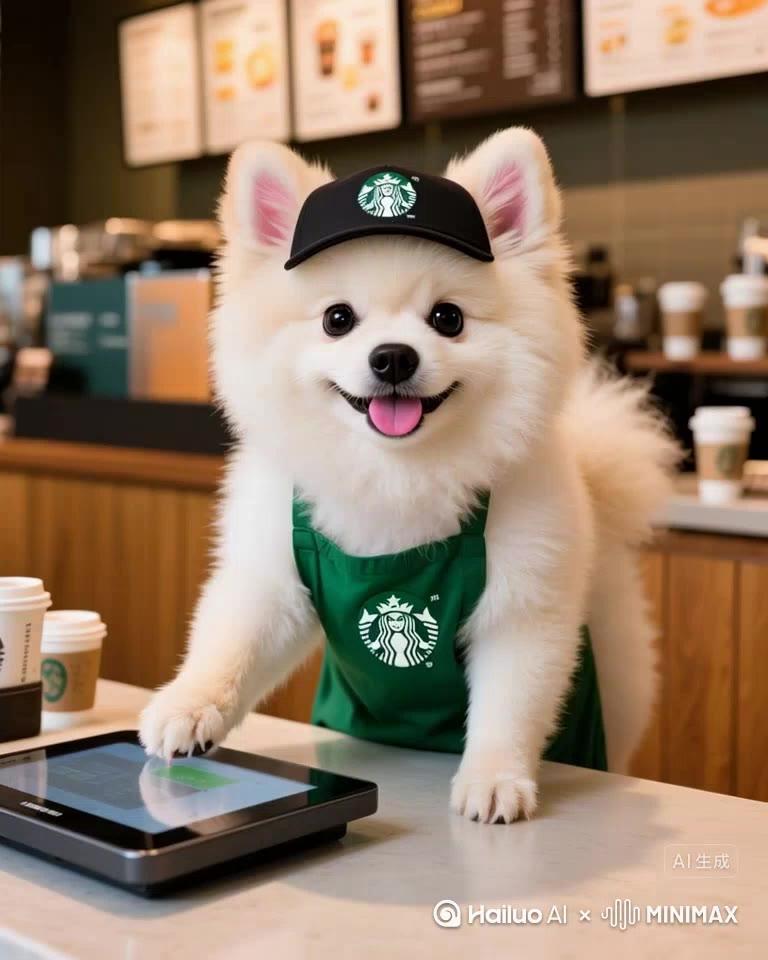
Solutions like HailuoAI specialize in addressing the exact challenges social media marketers face. When evaluating AI agents, look for several critical capabilities: batch processing that handles multiple outputs simultaneously rather than one asset at a time, multi-format output that automatically adapts content for various platform specifications, an intuitive interface that doesn’t require technical expertise, and integration capabilities with your existing tools like scheduling platforms or asset management systems. The right AI agent should feel like adding a skilled team member rather than learning complicated software.
Step 3: Integrating the AI Agent into Your Daily Routine
Start small with one repetitive task rather than overhauling your entire workflow immediately. If image creation is your bottleneck, begin by using your AI agent to generate your weekly social post graphics. A typical workflow might look like this: Monday morning, you draft a creative brief describing your campaign concept and visual requirements. You input this into the AI agent along with your brand guidelines, then generate a batch of platform-optimized images. Within fifteen minutes, you review options, select the strongest candidates, make minor refinements, and schedule them for the week. This single implementation saves hours while building your confidence with the technology before expanding to video editing or other tasks.
Step 4: Measuring Impact and Optimizing Use
Track concrete metrics to demonstrate value and refine your approach. Monitor time saved by comparing your pre-AI workflow duration against current production time. Measure content output volume—you’ll likely find you’re publishing 2-3 times more content with the same effort. Most importantly, watch engagement rates to ensure AI-generated content performs as well as or better than manually created assets. After one month, analyze these metrics to identify which AI agent features deliver the strongest ROI, then expand usage to additional workflow areas. This data-driven approach proves the business case for AI integration while continuously improving your implementation strategy.
The Future of Social Media Marketing is AI-Powered
The reality is clear: an AI agent has evolved from an experimental luxury into an essential tool for social media marketers who want to remain competitive in today’s demanding landscape. The challenges that once defined this profession—endless hours spent resizing graphics, tedious video editing sessions, and the impossible task of maintaining quality while scaling output—now have a concrete solution. Through capabilities like batch image generation that transforms single concepts into dozens of platform-optimized visuals in minutes, and automatic video editing that converts raw footage into polished campaigns without technical expertise, AI agents fundamentally change what’s possible for marketing teams of any size. This technology doesn’t replace your creativity or strategic thinking; it amplifies both by eliminating the repetitive execution that drains your time and energy. Solutions like HailuoAI represent the new standard for efficient content production, enabling you to reclaim hours each week while actually increasing your output volume and maintaining consistent quality across all platforms. The marketers who embrace AI agents as strategic partners today will be the ones setting the pace tomorrow, delivering more impactful campaigns while their competitors struggle with outdated manual workflows. The question isn’t whether to adopt this technology—it’s how quickly you can integrate it to transform your workflow and results.