
Most households juggle competing financial priorities every single month — housing payments, rising utility rates, grocery runs, and long-term savings goals all at once. Without a clear structure, these everyday costs quietly drain your budget in ways that are easy to miss until the money’s already gone.
The real key to managing personal finances is picking a budgeting method that fits how you actually behave with money, not just one that looks good on paper. Leaving your finances to guesswork creates ongoing stress and makes it harder to build savings. Fortunately, there are a few proven budgeting methods that can bring structure and reduce that anxiety — from manual spreadsheets to a fully automated budgeting app.
What Is a Budget Spreadsheet?
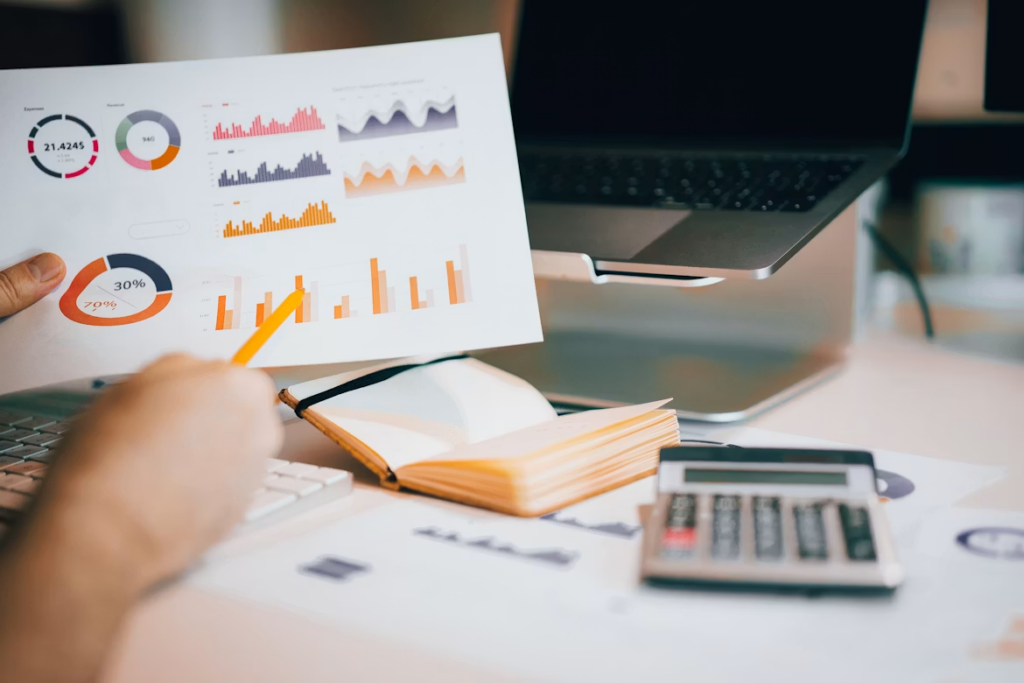
A budget spreadsheet is the classic approach: manually entering income and expenses into a grid, category by category. It offers a lot of control, but that control comes with a cost, it also demands substantial weekly maintenance and mathematical patience to manage formulas by hand.
Beginners often find that keeping a spreadsheet accurate without automated updates becomes incredibly tedious over extended multi-month periods. As a result, many families eventually abandon their manual trackers and switch to tools that sync directly with their bank accounts instead. Moving away from manual entry helps preserve long-term motivation.
Shifting Focus Toward Modern Digital Estimators
Calculating a monthly budget by hand leaves plenty of room for small errors that add up over time and throw off your forecasts. An automated system removes that risk by keeping your numbers accurate throughout the year.
A good monthly budget calculator, based on your actual income, splits your take-home pay into clear spending categories automatically. It works out your real savings potential by subtracting fixed expenses from your paycheck, giving you a straightforward number to work with — one that helps you catch overspending before it happens, not after.
What Is the Best Budgeting App?
The best tool combines bank-level encryption, real-time balance syncing, and smart category tracking in one place. For a fully automated, all-in-one option, PocketGuard is a budgeting app worth considering.
It tracks your regular spending automatically, flags duplicate or forgotten subscriptions, and calculates exactly how much money is safe to spend after bills and savings goals are covered. Instead of doing the math yourself, the app handles it — which makes it easier to avoid unplanned overspending without constantly checking your bank balance.
Comparing the Top Budgeting Methods
Different budgeting methods and mathematical approaches suit different personality types, meaning we should evaluate alternative organizational philosophies thoroughly. The 50/30/20 rule, for example, splits your income into three straightforward categories:
It’s a simple system that balances spending today with building financial security for later, and it scales well across income levels without needing custom tracking setups.
Some people prefer a hybrid approach — combining an automatic budget calculator with a favorite offline method, like a printed spreadsheet or a notebook. This keeps things transparent while preserving the tactile habits that help some people stay motivated.
What Is a Budget Envelope?
This physical system requires dividing your actual paper cash into separate labeled pouches dedicated to specific variable categories like dining or entertainment. Once an individual pouch becomes empty during the monthly cycle, spending in that specific category must stop completely until the next paycheck.
It’s an effective way to curb impulse spending, but carrying cash brings its own security and tracking issues. Many budgeting apps now offer a digital version of this same system — letting you set spending caps by category without handling physical cash.
Achieving Permanent Sovereignty Over Your Cash Flow
Of all the budgeting methods out there, the best one is ultimately the one you can stick with month after month without it feeling like a chore. Pairing automated tools with consistent habits removes a lot of the stress that comes with unpredictable expenses. Think of your budget as a tool for control, not a set of restrictions.
Picking a budgeting method that matches how you naturally manage money is what makes it sustainable long-term. Whether that means a spreadsheet, a calculator, envelopes, or a full budgeting app for iPhone, the right fit is the one that keeps you consistent.
Which budgeting method has worked best for you? Share your experience, combination tips, or questions in the comments below.