
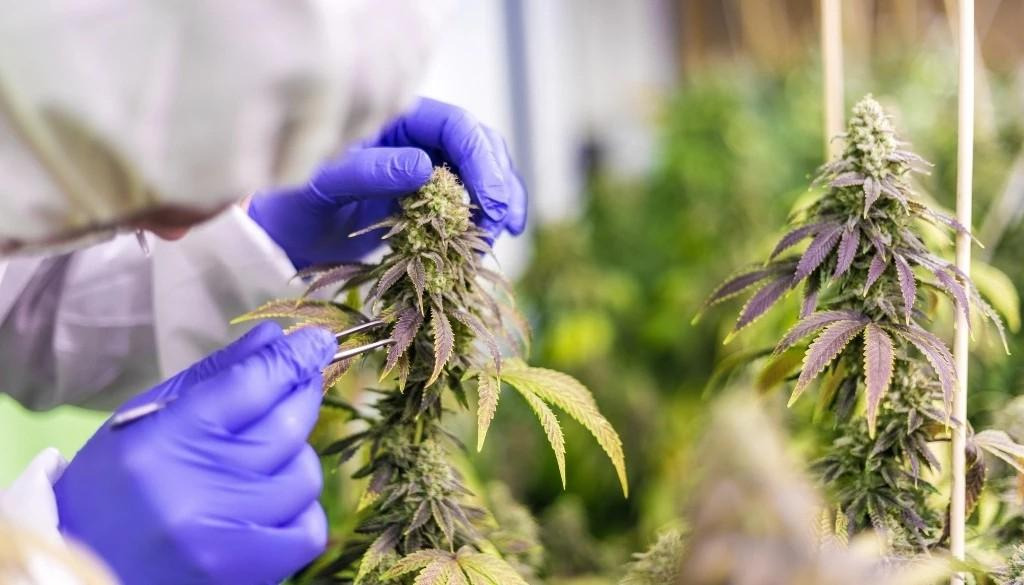
You have probably found yourself staring at a beautifully resinous bud at some point, surprised by that gassy or fruity aroma, and wondering how nature could create something so precise. The truth is, it is not just nature; it is a story of connection and science between us and the plant, one that has been unfolding for centuries. When you browse a seed catalog today, what you are looking at is the peak of a mountain that began in remote valleys thousands of years ago.
The journey from those wild, slender plants to the terpene-rich varieties we grow today has been incredible. If you want to understand why what you put in your pot today is pure quality, stay with us, because we are about to explain how the legends of the future are built.
From landraces to the hybrid explosion
It all started with “landraces.” These are the ancestral varieties that evolved naturally in specific geographic regions, such as Afghanistan, Thailand, or Mexico, adapting to their environments over thousands of years. They were pure plants, but with a level of variability that early explorers in the 1970s decided to organize. By crossing these pure genetics, the first generation of hybrids was born, with the goal of combining the resilience of one with the potency of another.
This process was not a matter of chance. The pioneers of modern breeding began to notice that when they mixed lineages, “hybrid vigor” appeared, producing stronger, more productive plants. However, the challenge was not just creating something new, but making sure that this novelty was predictable. That is where the work of experienced teams like Global Green Genetics becomes essential, because they focus on ensuring that those desired traits are not lost after the first harvest, but remain stable generation after generation.
The art of phenotypic selection and stability
You have probably heard the term “pheno hunt” or pheno-hunting. Imagine planting ten seeds from the same strain; even though they are siblings, each one may show different traits: one grows taller, another smells more citrusy, and another finishes flowering earlier. The modern breeder acts like an art curator, selecting only the individual that comes closest to perfection to become the mother of future lines.
Genetic stability is the holy grail of the industry. There is no point in having an amazing plant if its seeds produce weak or hermaphroditic offspring. That is why stabilization work through backcrossing ensures that, when you place a seed in the soil, you get exactly what you were promised. It is a process that takes years and requires patience, scientific rigor, and a genuine passion for botany.
Beyond THC: the era of terpenes and cannabinoids
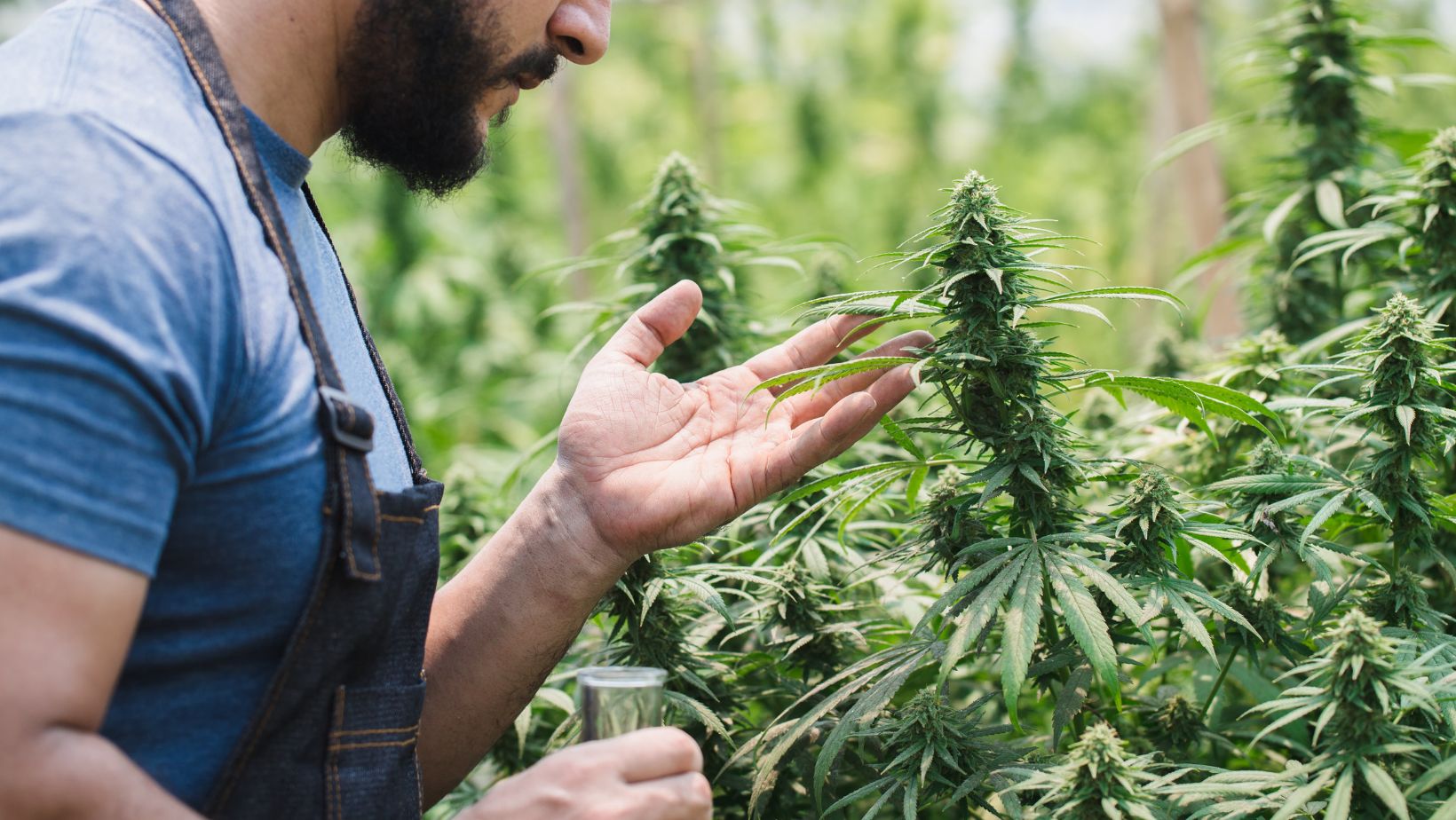
There was a time when the only thing that mattered was how high the THC percentage was. Thankfully, we have matured. Today’s breeding focuses on the “entourage effect,” that chemical dance between cannabinoids (such as CBD, CBG, or THCV) and terpenes. Terpenes do more than give the plant aromas of pine, gas, or tropical fruit; they also shape the sensory experience and the plant’s therapeutic benefits.
Today, strains are being designed to order. Are you looking for something that helps you focus without anxiety? Or perhaps something that literally smells like cherry pie? Natural genetic engineering has allowed breeders like Global Green Genetics to develop aromatic profiles that would have been unthinkable twenty years ago. We are refining the plant so that it adapts to our needs, not the other way around.
The role of seed banks in global preservation
In a world where laws are changing, access to a solid genetic base is vital. Seed banks are not just stores; they are libraries of biodiversity. They act as guardians of lineages that could otherwise disappear due to industrialization or the loss of natural habitats. Responsible distribution allows a grower anywhere in the world to access quality cannabis seeds with a full guarantee of origin.